
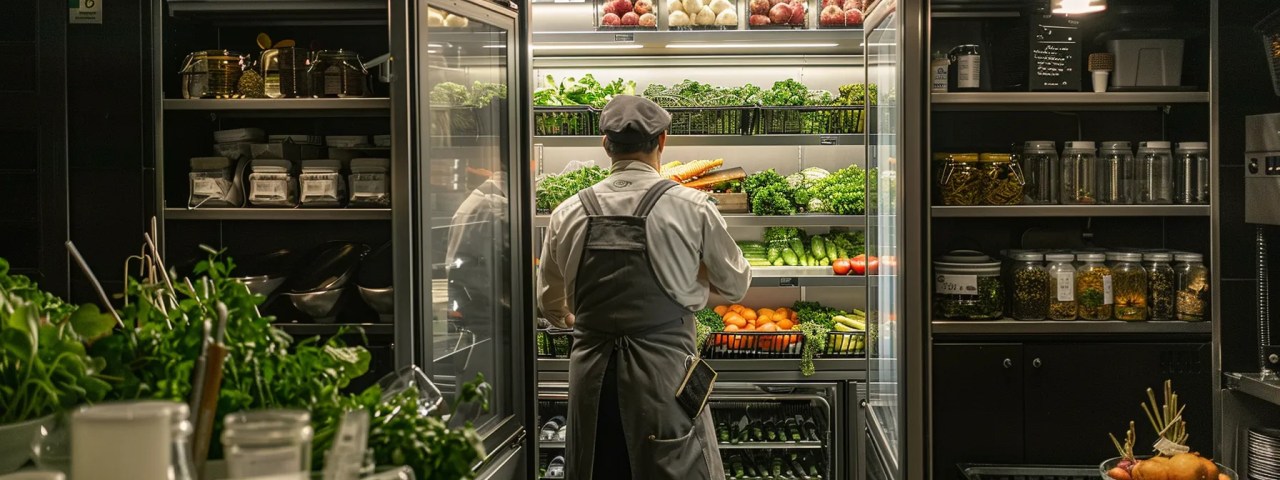
As any veteran in facility management can confirm, the unsung hero powering a restaurant’s success is not just its menu but its refrigeration system. This guide unpacks the intricacies of maintaining such vital equipment and responding promptly to emergencies. It navigates through recognizing tell-tale signs that your refrigeration units are faltering, ensuring thermostat accuracy, and safeguarding your inventory in the absence of internet access to smart systems. Restaurateurs will accrue tangible benefits from these insights, including reduced downtime and prolonged equipment life—a direct impact on their bottom line. By the end of this article, understanding the synchronization of power, maintenance, and quick repairs won’t just be a necessity, but a clear-cut strategy for uninterrupted service, even in the face of a malfunctioning toilet.
Importance of Regular Refrigeration Maintenance in Restaurants
Regular maintenance is critical for restaurant refrigeration systems. It ensures food safety and compliance, crucial in any establishment where health care regulations are stringent. Proper upkeep extends the lifespan of expensive equipment and is essential for preventing gas leaks and electronic malfunctions. Restaurants can also benefit from reduced energy costs through efficient operation, minimising the likelihood of sudden construction-like breakdowns. Finally, routine checks aid in maintaining optimal temperature control, mitigating the chances of unexpected equipment failures. This paragraph sets the stage for an in-depth discussion on each of these vital topics.
Ensuring Food Safety and Compliance
Adhering to rigorous food safety standards is paramount for restaurants, and regular refrigeration maintenance plays a pivotal role in this compliance. A well-maintained system, one that aligns with Energy Star recommendations, helps reduce the risk of temperature inconsistencies that could lead to food spoilage and health code violations. Furthermore, by keeping equipment in warranty specifications, restaurants safeguard against costly repairs, which can be as beneficial to a budget as tax credits for energy efficiency. Lastly, by conducting regular checks for refrigerant leaks, establishments not only comply with environmental regulations but also ensure the longevity and reliability of their refrigeration units, much like data backed up on cloud storage remains secure and retrievable in emergencies.
Extending the Lifespan of Equipment
Comparable to the rigorous preventive maintenance that ensures the longevity of tractors and other hefty machinery, comprehensive refrigeration care is indispensable for restaurants. Regular assessments and the timely replacement of worn components can forestall the premature decline of vital systems, akin to aircraft maintenance protocols that prioritize safety and functionality. Moreover, embracing predictive maintenance strategies, where a restaurant employs advanced diagnostics akin to checking a smartphone for updates, can detect the early signs of wear and tear, forestalling expensive emergencies and extending the operational tenure of refrigeration equipment.
Reducing Energy Costs With Efficient Operation
Efficient operation is the key to transforming what often seems like a fixed cost into a manageable expense. Through diligent maintenance management, restaurants can identify inefficiencies and correct them before they monopolize energy consumption. This practice is synonymous with operational excellence, conserving vital resources and significantly reducing overhead costs.
Preventing Unexpected Equipment Failures
Restaurants face the significant challenge of ensuring their refrigeration systems withstand extreme weather and high usage, which makes regular maintenance not just prudent, but essential. By consistently adhering to the manufacturers‘ guidelines and being vigilant about repair work, establishments in the United Kingdom can prevent the dire consequences of equipmentfailure. Not unlike maintaining computer hardware to avoid data loss, the diligent upkeep of refrigeration units ensures continuous operation, avoiding costly, unplanned emergencies that can jeopardize both food safety and business continuity.
Maintaining Optimal Temperature Control
Maintaining optimal temperature control in restaurant refrigeration systems is a vital practice, one that the Federal Trade Commission‘s guidelines tacitly support. Similar to keeping a detailed database of inventory, consistent monitoring and maintenance of temperature settings prevent food spoilage and loss—key factors in addressing the issue of homelessness by reducing waste. Restaurants that diligently apply these practices, akin to the regular updates homeowners make to home insurance policies, position themselves to avoid sudden, costly repairs and uphold the highest standard of food safety.
Common Types of Restaurant Refrigeration Systems
In the dynamic field of restaurant management, understanding the diversity of refrigeration systems is as essential as oil to an engine. From walk-in coolers and freezers, vital for bulk storage, to the convenient reach-in models and refrigerated prep tables that streamline kitchen workflow, each system’s maintenance is a cornerstone of the restaurant’s infrastructure. Under-counter refrigeration units offer space efficiency, while bar and beverage coolers are fundamental for customer satisfaction. Recognizing the critical role of these units helps prevent equipmentfailure and averts the costly affair of foreclosure on quality service. The following detailed analysis will explore how regular maintenance and adept handling of emergency repairs can uphold system efficiency and reliability.
Walk-in Coolers and Freezers
In the realm of restaurant operations, walk-in coolers and freezers stand as the backbone of food preservation, akin to a robust enterprise resource planning (ERP) system in a colossal aircraft‘s maintenance scheme. These comprehensive cold storage solutions demand consistent maintenance, paralleling the meticulous upkeep of medicalequipment, to prevent temperature fluctuations and system failures that could disrupt service. Experts recommend a network of defensive care strategies—from regular inspections of door seals to monitoring refrigerant levels—thus ensuring these essential tools for bulk storage continue to function effectively, safeguarding a restaurant’s inventory and bottom line.
Reach-in Refrigerators and Freezers
Reach-in refrigerators and freezers are fundamental for restaurants, providing immediate accessibility to stored food items and impacting overall consumer satisfaction. Their compact design, ideal for line cooks who require quick access to ingredients, is a boon to restaurant operations, managing to conserve space while meeting the rigorous demands of a busy kitchen. Optimal functioning of these units, when proper maintenance is upheld, can contribute significantly to a restaurant’s budget by reducing energy consumption and preventing costly product loss.
Refrigerated Prep Tables
In the bustling environment of a commercial kitchen, refrigerated prep tables are a confluence of technology and convenience, easing the food preparation process while managing freshness. The maintenance of these pieces of equipment, including regular checks on refrigerant levels and valve integrity, is imperative to ensure business continuity and efficiency. By recognizing the central role of refrigerated prep tables in kitchen management and investing in their upkeep, restaurant operators can avoid the pitfalls of unexpected repairs and preserve the seamless service that diners expect.
Under-Counter Refrigeration Units
Under-counter refrigeration units serve as the silent sentinels of food security, efficiently utilizing space beneath counters to safeguard perishables. Used frequently to store essentials within arm’s reach, their unobtrusive presence belies their significance in maintaining a restaurant’s smooth operation and water supplymanagement. Proactive computerized maintenance management of these units ensures uninterrupted service, yielding positive feedback from both health inspectors and diners. Employing software to schedule and track maintenance can prevent costly disruption and exemplify an establishment’s commitment to reliability and excellence in kitchen management.
Bar and Beverage Coolers
Maintaining bar and beverage coolers is akin to ensuring a vehicle remains roadworthy and adheres to standardsafety regulations. These refrigeration units, integral to the customer experience, must operate under the strict guidelines akin to the rules that govern lending practices. For example, the failure to service a cooler can be as detrimental to a restaurant’s operations as neglecting loan repayments is to an individual’s credit score. Prompt, expertly handled repairs and maintenance not only comply with law and safety measures but also prevent revenue loss from interrupted sales, demonstrating to proprietors the tangible value of adhering to best practice care for their equipment.
Essential Steps for Routine Refrigeration Maintenance
Maintaining a restaurant’s refrigeration system is a multifaceted task that requires attention to various components to mitigate risk and ensure optimal performance. Regularly cleaning and inspecting condenser coils, checking and replacing door seals, monitoring thermostat accuracy, lubricating motors and fans, and scheduling regular professional inspections by a certified contractor are fundamental steps. These practices help restaurants avoid plumbing issues, preserve the integrity of the refrigeration pipeline, and maintain the quality of delicate French cuisine, among other offerings. Each subsequent section delves into these crucial maintenance tasks, highlighting their significance to the operational efficacy of refrigeration units.
Cleaning and Inspecting Condenser Coils
Cleaning and inspecting condenser coils are fundamental to maintaining a restaurant’s refrigeration system operating at peak safety and efficiency. Neglect of this routine task can lead to overheating, inefficiency, and even compressor failure, a consequence more severe in regions that face extreme weather. A restaurant’s maintenance team or an independentservice technician should ensure coils are free from debris and functioning correctly, much like the diagnostic services provided at a tech store’s Genius Bar, thus preventing potential health hazards and preserving the integrity of stored food.
Checking and Replacing Door Seals
Inspecting and updating door seals regularly is akin to examining the weatherstripping on a property‘s windows to maintain insulation and energy efficiency, thus impacting property tax assessments due to utility cost savings. When seals become blocked or weakened, not only is precious cool air allowed to escape—much like vital data slipping through old software gaps on a laptop—but exterior warm air can also infiltrate, jeopardizing food safety and promoting water vapor accumulation within the unit. To safeguard against these risks, a vigilant approach to checking and replacing door seals ensures that refrigeration systems continue to protect a restaurant’s investments in both inventory and equipment longevity.
Monitoring Thermostat Accuracy
Monitoring thermostat accuracy is a cornerstone of an effective maintenance program for restaurant refrigeration systems, much like regular audits are to insurance policies. Accurate thermostats guarantee precise temperature control, critical for food safety and energy efficiency. Through regular service and calibration, restaurants can assure their cooling programs remain reliable, preventing inventory loss and ensuring compliance with health regulations.
Lubricating Motors and Fans
Lubrication of motors and fans is a key aspect of preventive maintenance that often goes unnoted, yet it can forestall the need for emergency repair. Through systematic inspection and application of appropriate lubricants, restaurants can maintain the functional integrity of their refrigeration systems, reducing friction and subsequent wear on components. This procedure, effectively integrated into a restaurant’s work order management system, ensures that moving parts operate smoothly, prolonging equipment life and reliability, and helping to avoid sudden servicecharges associated with unexpected system failures.
Scheduling Regular Professional Inspections
Scheduling regular professional inspections is a critical step in a restaurant’s refrigeration maintenance plan, serving as an effective data point for proactive upkeep. By integrating a computerized maintenance management system, restaurant operators can streamline the timing of these inspections, ensuring heat-emitting components are assessed and fine-tuned to prevent asset degradation. Through this strategic approach to maintenance, restaurants can preserve the longevity and performance of their refrigeration systems, avoiding the costly ramifications of emergency repairs.
Identifying Signs That Indicate Repair Is Needed
Recognizing when restaurant refrigeration systems require repair is paramount for protecting a restaurant’s inventory and conserving electricity. This section addresses the signs that demand attention: unusual noises or vibrations hinting at mechanical distress, inconsistent temperature readings that jeopardize food safety, excessive frost or ice build-up indicating insulating failures, water leaks or condensation issues that could affect a restaurant’s structural integrity, and increased energy consumption suggesting a loss of efficiency. Early detection of these issues, possibly through inventory management software alerts, is essential to maintaining the operation’s carbon footprint within United States regulations and protecting the business‘s intellectual property in recipes and methods.
Unusual Noises or Vibrations
When the hum of a restaurant’s refrigeration unit gives way to unusual noises or vibrations, this may indicate mechanical distress that demands immediate attention. Much like how heating systems in manufacturing environments require routine checks to prevent halts in production, or wind turbines are monitored for sound anomalies to avoid failures, regular auditory inspections can detect early signs of refrigeration malfunctions. By swiftly addressing these auditory cues, restaurants can maintain compliance with relevant legislation and rely on services like iFixit for guidance on repairs, ensuring the longevity of their critical cooling equipment.
Inconsistent Temperature Readings
Inconsistent temperature readings in a restaurant’s refrigeration system can be a sign of impending equipmentfailure, impacting the energy efficiency and leading to increased operational costs. Implementing a computerized maintenance management system (CMMS) software could help track these temperature inconsistencies, ensuring prompt action is taken to rectify the issue. Such monitoring helps maintain inventory quality and could mitigate wasteful energy expenditure, ultimately influencing payment for utilities in a manner not unlike how the fluctuating price of oil affects budget planning.
Excessive Frost or Ice Build-Up
Excessive frost or ice build-up inside a restaurant’s refrigeration system is a red flag, akin to water intrusion in a building’s roof that necessitates an immediate work order. Just as a computer requires timely patches to function optimally, restaurant owners should address frost accumulation swiftly, using mobile phone alerts from integrated monitoring systems to detect ice-related issues. The presence of frost can impede the efficiency of refrigeration units, leading to increased energy consumption and potential damage to stored food products, compelling operators to implement quick repairs to restore functionality.
Water Leaks or Condensation Issues
Recognizing water leaks or condensation issues within a restaurant’s refrigeration system is imperative for preventing equipment damage and ensuring operational efficiency. Such moisture-related problems could signal a malfunction that, left unchecked, may lead to hazardous conditions, including the potential build-up of carbon monoxide, especially if natural gas refrigerants are used. To manage repair costs effectively, proprietors must act promptly, documenting the signs and submitting the details for reimbursement claims. This swift response not only helps in keeping accurate invoice records for such emergency repairs but also aligns with health and safety standards in France and beyond, safeguarding both patrons and the establishment’s reputation.
Increased Energy Consumption
An increase in energy consumption can signal that a restaurant’s refrigeration system is in need of repair. Essential to resourcemanagement, recognizing and responding to such an uptick is similar to how aviation mechanics must address fuel inefficiencies to ensure safe and economical flights. Owners should prepare to generate work orders and engage with repair shops swiftly, as unchecked energy use not only inflates utility costs but also suggests underlying performance issues. By addressing these symptoms immediately, restaurants can maintain seamless operations, much like meticulously managed mailing lists bolster effective communication campaigns.
Handling Emergency Refrigeration Repairs Effectively
When emergency refrigeration repairs arise, swift action is imperative to safeguard perishable goods and maintain operational continuity. This section provides essential guidance on immediate protective measures for perishables, enlisting emergency repair services promptly, implementing temporary cooling solutions, adhering to health and safety regulations during downtime, and meticulously documenting incidents to prevent future occurrences. Reflecting the principles of the right to repair, this advice extends beyond the product lifecycle, impacting aspects such as restaurant margins, akin to the careful consideration of mortgage options.
Immediate Steps to Protect Perishable Goods
In the event of a refrigeration system failure, initiating immediate steps to safeguard perishable goods is crucial. Restaurants must locate “emergency maintenance near me” services promptly, engaging professionals experienced in handling mac and machine repairs. While awaiting specialist intervention, the use of temporary, alternative cooling solutions can help mitigate the risk of spoilage—similar to how “carglass repair” services provide swift action to prevent a small chip from escalating into a flood of problems. This decisive approach not only preserves valuable inventory but also maintains food safety standards during critical downtime.
Contacting Emergency Repair Services Promptly
When a refrigeration emergency occurs, it is vital for a restaurant’s organization to act swiftly by contacting emergency repair services. Quick response aligns with sustainability goals by preventing food waste and optimizes the policy for equipment care. Employing a computerized maintenance management system (CMMS) can expedite service requests and bolster the efficiency of the repair process. This immediate action minimizes disruption, ensuring that a restaurant remains steadfast in its dedication to quality and safety during unforeseen breakdowns.
Temporary Solutions to Maintain Cooling
In the event of an emergency, swift implementation of temporary cooling solutions is essential to prevent spoilage and comply with food safetylaws. Engaging with an assetmanagement system can facilitate the rapid sourcing of portable units, much like a “john deererepair near me” search would hasten the fix repair of crucial farming equipment. While incurring an additional fee, the expedient application of these stopgap measures can protect a restaurant’s valuable inventory until permanent repairs are completed, demonstrating proactive and responsible management.
Managing Health and Safety Regulations During Downtime
During downtime caused by emergency repairs, it is imperative for restaurants to diligently manage health and safety regulations to prevent compromise of property and consumer well-being. The robustness of a restaurant’s reputation hinges on continuous adherence to these regulations, despite the challenges that maintenance and repair scenarios present. Effective riskmanagement during unplanned upkeep involves a thorough understanding of health codes, timely communication with authorities, and decisive action to protect both the stored food items and the safety of patrons and staff.
Documenting Incidents for Future Prevention
Correct documentation following emergency repairs in a restaurant’s refrigeration system is essential for future prevention and costmanagement. A detailed record helps to identify recurring problems, informing negotiations for more comprehensive terms within a maintenancecontract or when considering boiler replacements. It also provides a clear historical account of repairs, which is invaluable for cost analysis and budgeting for future repair work. By systematically recording each incident, restaurateurs can anticipate potential issues, enabling them to rectify vulnerabilities before they escalate into emergencies.
Selecting a Reliable Maintenance and RepairService Provider
Selecting a reliable maintenance and repairservice provider is a critical decision that restaurant owners must make to ensure the longevity of their refrigeration systems. It requires careful evaluation of a provider’s credentials and experience, as well as understanding how quickly they can respond to emergencies. In-depth knowledge of service agreements and associated costs, reading client testimonials and reviews, and establishing long-term maintenance partnerships are foundational elements for informed decision-making. The following exploration will provide insights into these topics, helping restaurants maintain operational efficiency while managing costs.
Evaluating Credentials and Experience
To secure a restaurant’s refrigeration system, owners must rigorously evaluate the credentials and experience of potential maintenance and repairservice providers. An ideal candidate will have a demonstrable track record of success, including necessary certifications, a history of timely and effective service, and profound familiarity with industry-standardequipment. This scrutiny ensures that the provider can deliver not only skilled workmanship but also insightful advice for ongoing system care, aligning with a restaurant’s commitment to excellence.
Assessing Response Times for Emergencies
When evaluating potential maintenance and repairservice providers, restaurant owners should closely consider the response times for emergencies. A provider’s ability to rapidly address refrigeration failures is crucial in averting spoilage of perishable goods and ensuring uninterrupted operation. Prompt solutions during unexpected breakdowns reflect a service provider’s commitment to their clients’ needs and can substantially mitigate potential revenue and inventory losses for a restaurant.
Understanding Service Agreements and Costs
Comprehending service agreements and their associated costs is crucial for restaurants to manage their refrigeration maintenance expenses effectively. A detailed servicecontract should outline the scope of maintenance tasks, emergency repair protocols, and transparent pricing structures to avoid unforeseen charges. By understanding these elements, restaurant owners can make informed decisions, ensuring they select a maintenance provider whose cost structure aligns with their budgetary constraints and whose service level agreement meets their operational requirements for refrigeration system care.
Reading Client Testimonials and Reviews
Consulting client testimonials and reviews is a staple for restaurant owners seeking a maintenance and repairservice provider for their refrigeration systems. These first-hand accounts offer critical insights into the provider’s reliability, quality of work, and customer service. Potential clients gain an understanding of past performance, which can be pivotal in preventing operational disruptions and ensuring culinary quality assurance.
Establishing Long-Term Maintenance Partnerships
Forging long-term partnerships with maintenance and repairservice providers offers numerous advantages for restaurant owners, such as priority service and potentially more favorable pricing structures. A steadfast relationship can lead to more personalized service as the provider gets intimately familiar with the specifics of the restaurant’s refrigeration equipment and operational needs, ensuring swift and effective response to both routine maintenance and emergency repairs. These enduring alliances enhance a restaurant’s ability to maintain continuous operations, underpinned by the reliability and efficiency of their refrigeration systems.
Conclusion
Regular maintenance of restaurant refrigeration systems is fundamental not only in ensuring adherence to food safety standards but also in extending the lifespan of critical equipment. Efficient operation achieved through preventive care results in substantial energy savings and prevents costly disruptions due to equipment failures. Recognizing signs of needed repairs and handling them promptly avoids potential spoilage of perishables and safeguards continuous service. Selecting a dependable service provider enables restaurants to establish effective long-term maintenance strategies, ensuring the preservation of quality and uninterrupted operations.